Save £83
Costway5.0(3)
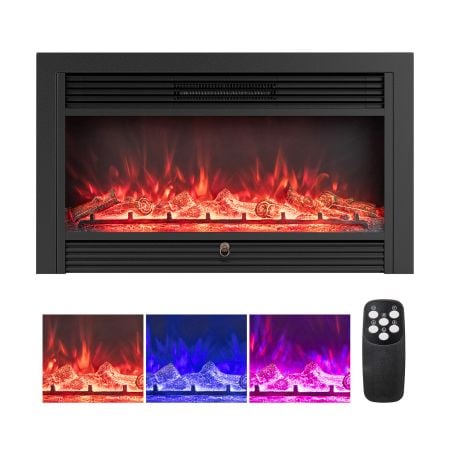
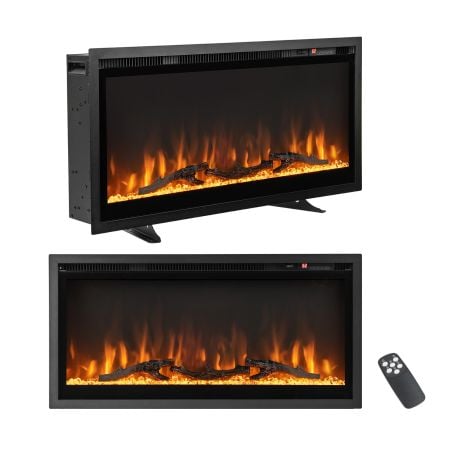
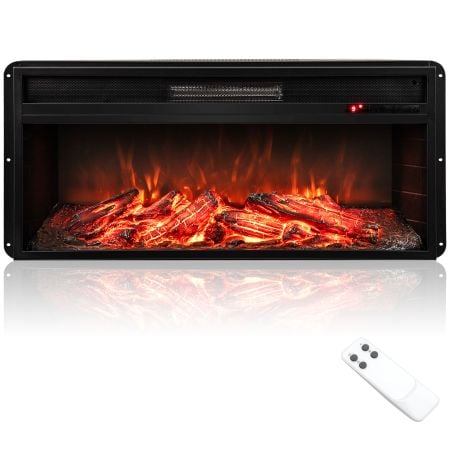
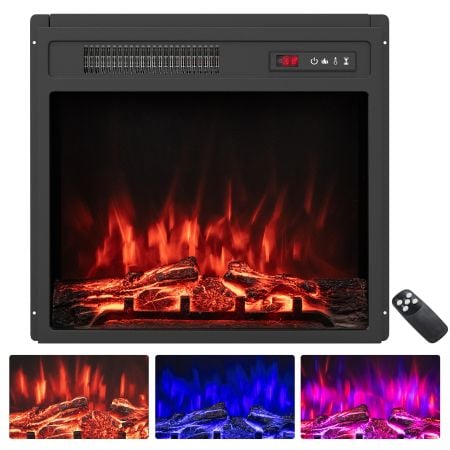
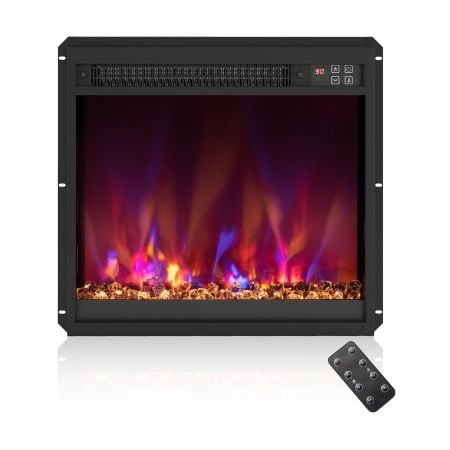
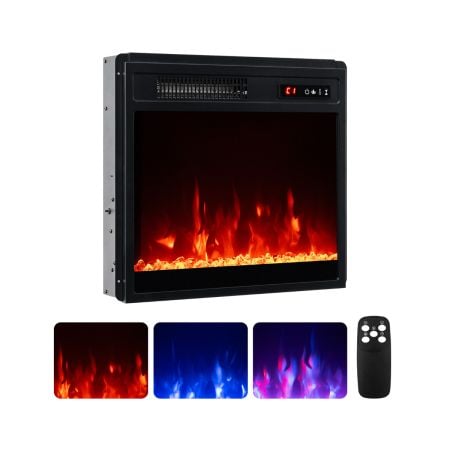
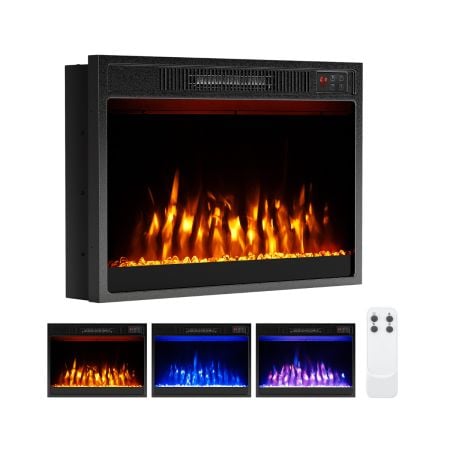
36-Inch Electric Fireplace Insert with Remote Control
Heater
Free delivery · 2–4 working days
£119.95£202.95
● In stockLooking for an electric heater that warms a room fast without a frightening energy bill? Our electric heater range covers every type a UK home actually needs: fan heaters for instant heat, oil-filled radiators for steady all-day warmth, infrared panels for targeted zone heating, slimline convector heaters, and flame-effect electric fireplaces. With around 67 models from Pro Breeze, Igenix, EcoAir and more in stock, plus free UK delivery, you can match the heater to the room rather than settling for whatever the supermarket had left.
Here is the truth that the "Martin Lewis cheapest heater" searches are circling: every electric heater is 100% efficient, so a 2kW heater costs the same to run whatever the type. At roughly 26p per kWh, a 2kW heater costs about 52p an hour at full blast; a 1.5kW model about 39p; a 1kW about 26p. What changes your bill is not the badge on the box but the wattage and how long it stays on. That is why a thermostat and a timer matter more than marketing claims of "eco" heat.
Heaters use watts, not BTU, so ignore any cooling-style ratings. As a rough guide, allow about 100W of heating per square metre for a reasonably insulated room: roughly a 1kW heater for a small bedroom or study, 1.5–2kW for a living room. Want a quick blast in the bathroom or to take the chill off a home office? A fan heater wins. Need warmth that lingers after switch-off in a bedroom you occupy for hours? An oil-filled radiator holds heat longer and runs silently. Heating one person at a desk or in a draughty conservatory? An infrared panel warms bodies and surfaces directly, so you waste less energy on the air.
Look for an accurate thermostat, a 24-hour timer, frost-protection settings for garages, and tip-over and overheat cut-outs for safety. PTC ceramic elements run cooler and respond faster than old-style coils. Buy the right wattage with proper controls and a modest heater will quietly out-save a pricier "efficient" rival.
67 products
1. Size by wattage, not BTU. Allow roughly 100W per square metre: about 1kW for a small bedroom, 1.5–2kW for a living room. Oversizing just means higher bills.
2. Pick the type for the job. Fan heaters give instant heat for bathrooms and quick top-ups; oil-filled radiators give silent, lingering warmth for bedrooms and lounges; infrared panels suit zone heating in draughty conservatories and garages; convectors are slim and good for hallways.
3. Insist on a thermostat and timer. These cut running cost far more than any "eco" label, since they stop the heater drawing power once the room is warm.
4. Check the safety kit. Look for tip-over and overheat cut-outs, plus a frost-protection setting for garages and outbuildings.
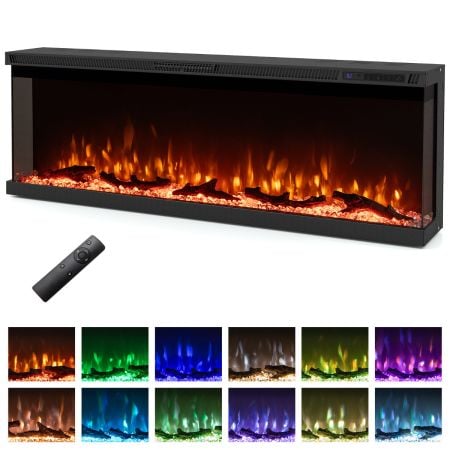
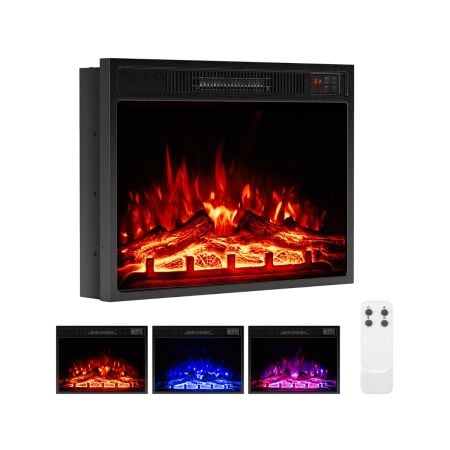
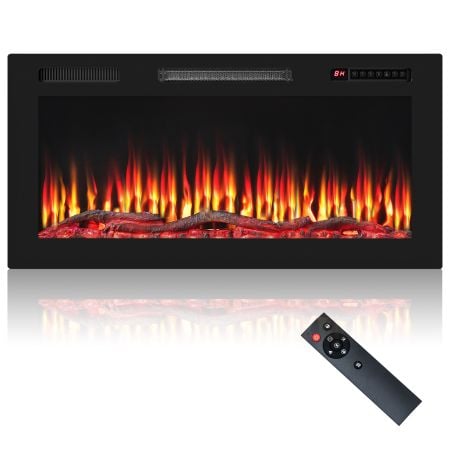
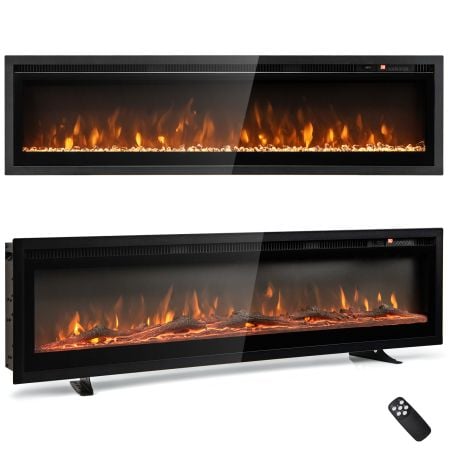
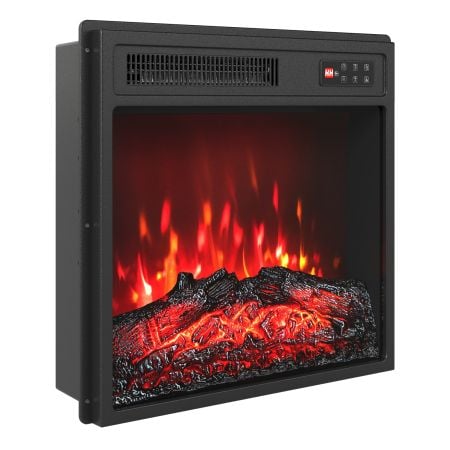
5. Consider an electric fireplace if you want a flame or log-burner effect with a TV stand, surround or media unit, separating the furniture decision from pure heating.
All electric heaters are 100% efficient, so a 2kW heater of any type costs the same to run at the same wattage. At around 26p per kWh, a 2kW heater costs about 52p an hour at full power. The cheapest heater to run is therefore the lowest-wattage model that still keeps your room comfortable, paired with a good thermostat and timer so it isn't drawing power once the room is warm.
It depends entirely on the wattage and how long they run. At about 26p per kWh, a 1kW heater costs roughly 26p an hour, a 1.5kW about 39p, and a 2kW about 52p. Used sensibly to heat one occupied room rather than the whole house, an electric heater can be cheaper than firing up central heating, especially with a thermostat and timer keeping the on-time down.
No single type is inherently cheaper, because all electric heating converts electricity to heat with equal efficiency. What differs is how the heat is delivered. Oil-filled radiators hold warmth after switch-off, infrared heats people and objects directly so you can run it less, and fan heaters give quick bursts. Choosing the type that lets you run fewer watts for less time is what actually lowers your bill.
Multiply the heater's kilowatt rating by your electricity price per kWh. At roughly 26p per kWh, a 1kW heater costs about 26p an hour, a 1.5kW about 39p, and a 2kW about 52p at full power. A thermostat reduces this in practice, because the heater cycles off once the set temperature is reached rather than running flat out the whole time.
Not at the same wattage. A 2kW oil-filled radiator and a 2kW fan heater cost the same per hour to run. The difference is in behaviour: oil-filled radiators heat up and cool down slowly, giving silent, even warmth that lingers, which suits rooms you occupy for hours. Fan heaters deliver instant heat for short bursts. Choose based on the room and how long you need heat, not on assumed running cost.
An infrared heater rated at, say, 1.5kW uses the same electricity as any other 1.5kW heater while it's running. The potential saving comes from how infrared works: it warms people and surfaces directly rather than heating all the air, so in draughty or open spaces you can often feel comfortable while running it for less time or at a lower setting. In a small, well-sealed room the advantage is smaller.
As a rough guide for a reasonably insulated UK room, allow about 100 watts of heating per square metre. That means roughly a 1kW heater for a small bedroom or study, and 1.5–2kW for a typical living room. Rooms with poor insulation, large windows or high ceilings need more, while a snug, well-sealed space needs less. Sizing up unnecessarily just increases your running costs.
Modern electric heaters with tip-over protection, overheat cut-outs and a thermostat are designed to run safely, and many people use oil-filled radiators overnight on a low thermostat setting. To stay safe, keep the heater on a hard, level surface, well away from bedding, curtains and furniture, never cover it, and don't run it from an extension lead. If you want extra peace of mind, use a model with a timer or frost-protection setting rather than leaving it on full.