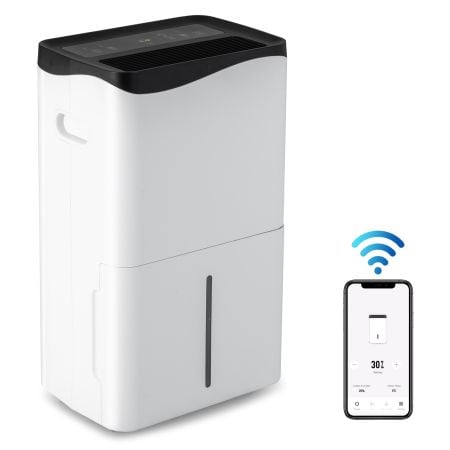
Save £135WiFi
Costway5.0(7)
Portable 50L/Day Dehumidifier with App and Wifi for Home Damp
Dehumidifier
Free delivery · 2–4 working days
£199.95£334.95
● In stockA dehumidifier is the cheapest, fastest way to beat the damp, condensation and black mould that plague UK homes every autumn and winter. With over 117 dehumidifiers in stock from Meaco, EcoAir, Pro Breeze, Igenix and more, we cover the two jobs British households actually need solved: pulling moisture out of damp rooms, and drying laundry indoors when the garden line is a write-off. Most models here run from roughly 8p an hour, so keeping a home dry costs far less than people fear.
In the UK, dehumidifiers are sized by extraction rate in litres per day (litres, not pints — that's a US convention). The number on the box is a lab-test maximum; in a normal heated room you'll collect less. As a rough guide, a 10L–12L unit suits a flat or one to two bedrooms, while a 20L model handles a typical three-bed house or a serious damp problem. If you mainly want to dry washing, look for a dedicated laundry mode that runs the fan and compressor flat-out until the clothes are dry.
At the price cap of around 26p per kWh, a 300W compressor dehumidifier costs about 8p an hour, or roughly 78p for a 10-hour overnight run — though a built-in humidistat means it cycles off once your target relative humidity (45–55% is ideal) is reached, so real-world cost is usually lower.
This is the make-or-break choice. Compressor models are most efficient in warm living spaces and are the right pick for kitchens, bedrooms and lounges. Desiccant models keep extracting in cold, unheated spaces — garages, conservatories, caravans and chilly utility rooms — where compressors struggle, though they draw more power. Choose by the coldest room you'll use it in. Filter below by litres, laundry mode, quiet running and WiFi to narrow 117 models down to the right one.
117 products
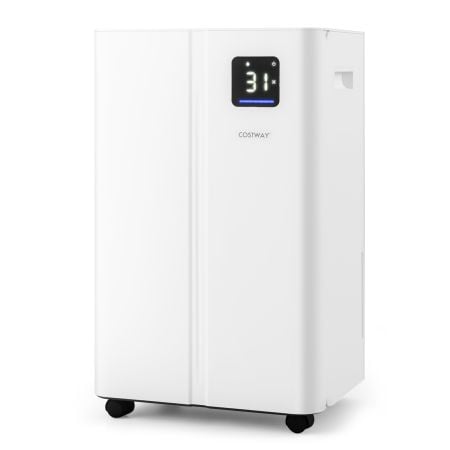
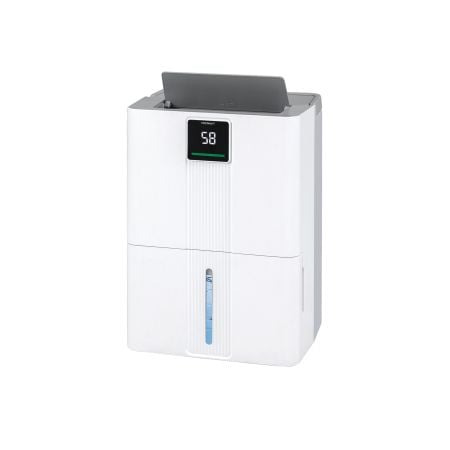
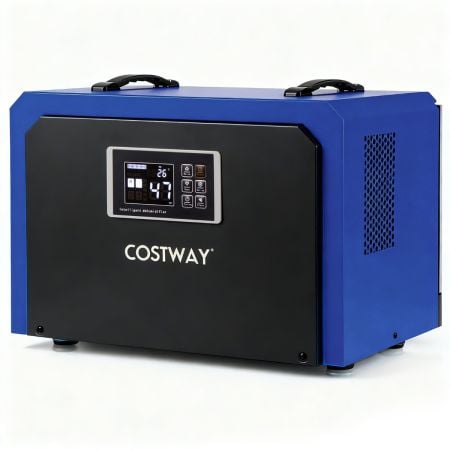
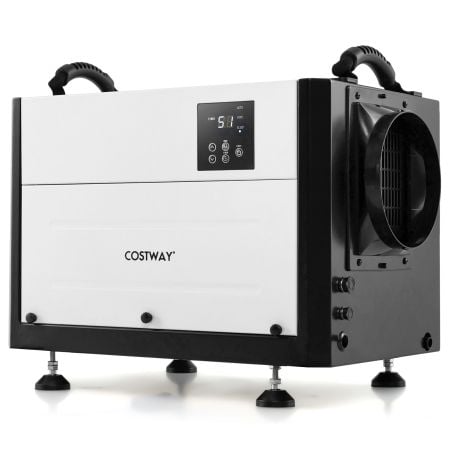
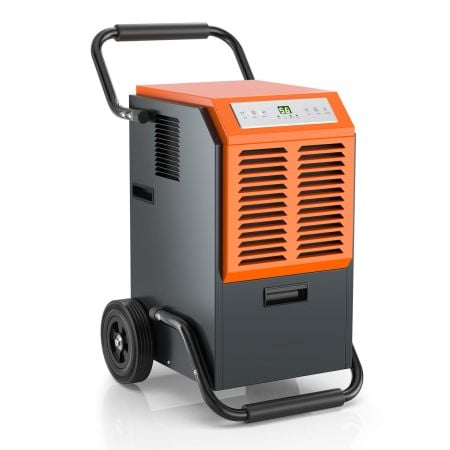
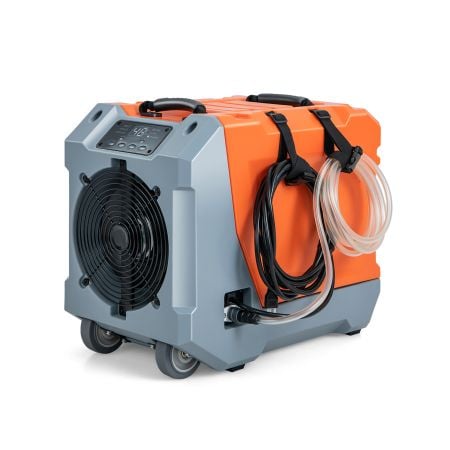
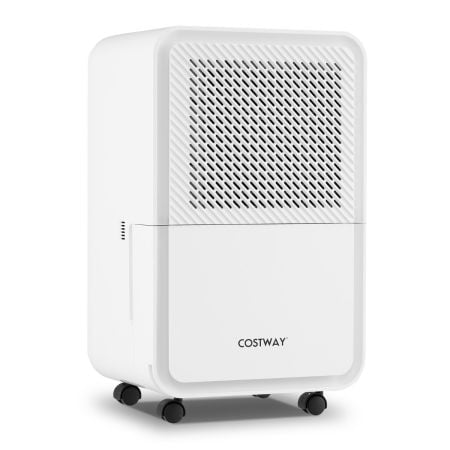
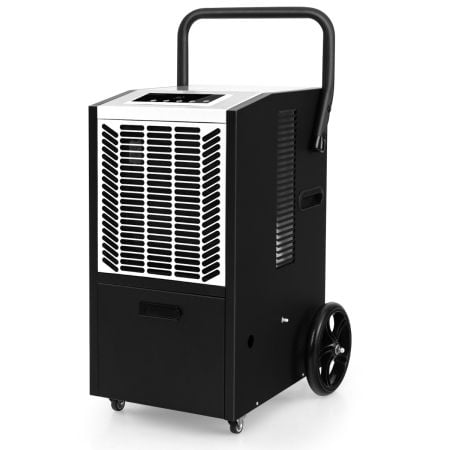
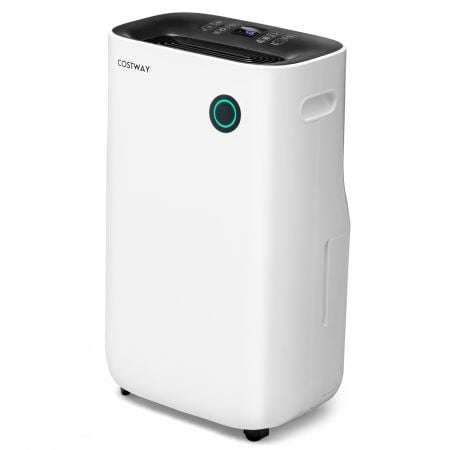
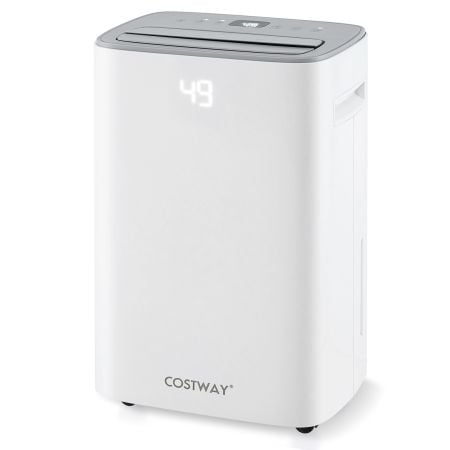
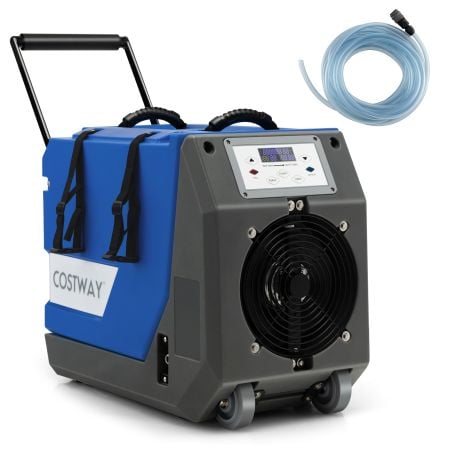
Match litres to your space. 10L–12L covers a flat or one to two bedrooms; 20L suits a three-bed house or stubborn damp. When unsure, size up — a bigger unit reaches target humidity faster, then idles.
Compressor or desiccant? Compressor for warm, occupied rooms (most efficient). Desiccant for cold garages, conservatories and unheated utility rooms where compressors lose effectiveness.
Want it for laundry? Insist on a true laundry mode — it overrides the humidistat and runs hard until washing is dry, far quicker than a standard setting.
Check the noise. For bedrooms, look for a low dB rating and a sleep mode. Around 35–40dB is comfortable overnight.
Look at convenience features. A continuous drainage hose outlet means no emptying the tank; HEPA H13 filtration, auto defrost and Tuya/WiFi app control are worth having if the budget stretches.
Most home dehumidifiers draw between 150W and 500W, depending on size and whether they're compressor or desiccant. A typical 20L compressor model uses around 300W. Desiccant units use more — often 330W to 660W — because they heat air to dry it, which is the trade-off for working well in cold rooms.
At the current UK price cap of roughly 26p per kWh, a 300W compressor dehumidifier costs about 8p an hour to run. A larger or desiccant model might cost 12p to 17p an hour. In practice the humidistat switches the unit off once your target humidity is reached, so real daily costs are usually lower than running it flat-out.
Size by extraction rate in litres per day. A 10L to 12L model suits a flat or one to two bedrooms; a 20L model is better for a three-bed house or a significant damp and mould problem. If you're between sizes, go larger — it reaches your target humidity faster and then idles, rather than running constantly.
Yes, you can — most models have a humidistat that cycles the unit on and off to hold a set humidity, plus a quiet sleep mode for bedrooms. Running overnight is effective for tackling condensation and morning damp. Choose a model with auto shut-off when the tank is full, or fit a continuous drainage hose so it can run unattended.
Position it centrally in the dampest room, with at least 15–30cm clearance around the air intake and outlet so airflow isn't blocked. Keep doors and windows shut while it runs. For drying laundry, place it close to the airer in laundry mode. On multiple floors, the landing or hallway often serves a whole upstairs well.
Yes — black mould needs moisture to grow, and bringing relative humidity down to 45–55% removes the conditions it needs. A dehumidifier tackles condensation damp on windows and walls and stops new mould forming. It won't fix penetrating or rising damp, which are structural issues, but for everyday condensation and household humidity it's the most effective solution.
Neither is universally better — it depends on the room. Compressor dehumidifiers are more energy-efficient in warm, occupied spaces like bedrooms and living rooms. Desiccant dehumidifiers keep extracting in cold spaces such as garages, conservatories and unheated utility rooms, where compressors lose effectiveness, though they use more electricity. Choose by the coldest place you'll use it.
For a whole house, a 20L per day model is the usual choice and suits most three-bed homes. Smaller one to two bedroom flats are well served by a 10L to 12L unit. Remember the litre figure is a lab maximum — actual daily extraction in a heated home is lower, so sizing up gives you headroom for damp winter months.